Hidden costs to avoid with rubbish removal in SE8
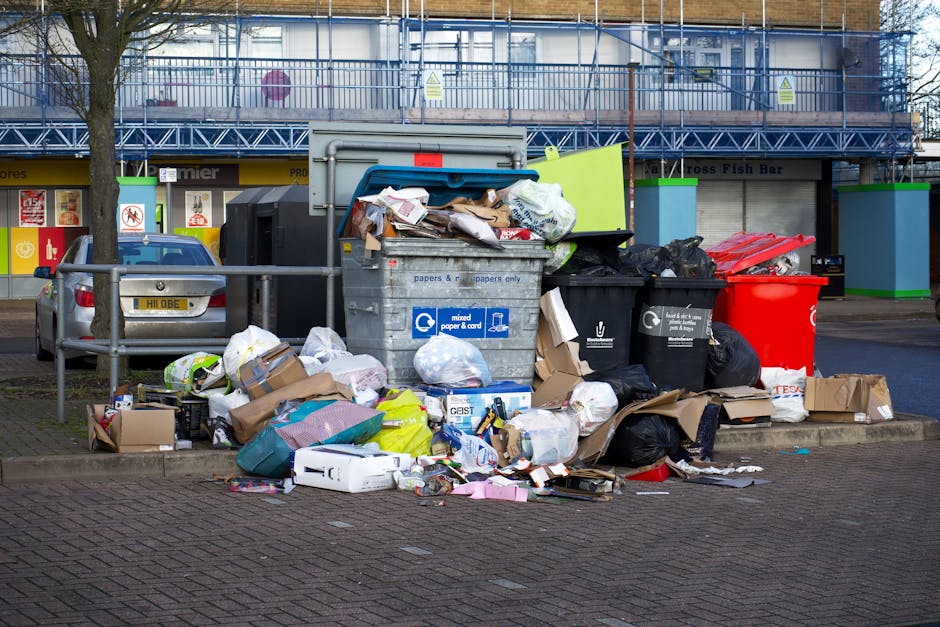
If you are arranging rubbish removal in SE8, the headline price is only half the story. The real cost often hides in the awkward bits: access problems, extra labour, parking stress, council restrictions, special-item charges, and last-minute surcharges that appear after the team has already arrived. That is why understanding the hidden costs to avoid with rubbish removal in SE8 matters so much. A clear quote can still turn into an expensive afternoon if you do not know what to ask, what to check, and what should be included from the start. In this guide, we break down the common traps, how the service usually works, and how to make a smarter booking without the usual faff.
In short: you want a tidy clearance, not a surprise invoice. Let's make that easier.
Why hidden costs matter in SE8
SE8 covers busy, lived-in parts of southeast London where access can be tighter than people expect. Flats, terraces, shared entrances, permit-controlled streets, loading restrictions, and narrow roads all make rubbish removal more complicated than a quick online quote suggests. If your clearance includes a basement, top-floor flat, rear garden, or a building with no lift, the final price may rise unless those details were shared upfront.
That does not mean rubbish removal is expensive by default. It means pricing depends on the job being described properly. A small pile of mixed waste on a front drive is one thing. A pile of heavy builder's waste carried down three flights of stairs, across a hallway, and loaded in a timed parking bay is another. Same postcode, very different effort.
The hidden-cost problem matters for homeowners, landlords, tenants, tradespeople, and businesses alike. A supposedly cheap job can become costly if the crew has to wait for access, make extra journeys, separate waste that should have been sorted earlier, or deal with items that need special handling. If you are comparing quotes, the cheapest number is rarely the safest one. In practice, transparent pricing tends to save money, time, and a bit of stress too.
Expert summary: The best way to avoid hidden costs in SE8 is to describe the waste honestly, confirm access conditions clearly, and ask what is included before the team arrives. Straightforward, but it works.
How hidden costs to avoid with rubbish removal in SE8 works
Most rubbish removal services price work using a mix of volume, weight, type of waste, labour time, access difficulty, and disposal costs. That is normal. What catches people out is when one of those variables changes after the quote has been given. It is a bit like ordering a medium meal and then adding three sides, two extras, and a dessert you did not mention first. The menu looked simple enough, but the bill tells a different story.
Here is how the process usually goes:
- You describe the waste, location, and access.
- The provider estimates the job based on what you have said.
- A crew arrives to collect, load, and remove it.
- If the actual job differs from the description, extra charges may apply.
That means the quality of the quote depends heavily on your accuracy. A sofa from a ground-floor living room is not the same as a sofa squeezed through a tight staircase in a second-floor flat. Likewise, soil, rubble, plasterboard, old bathroom suites, and mixed renovation waste can all be priced differently from general household clutter.
If you are removing furniture, a furniture disposal service may be more appropriate than a generic load-and-go, especially when large items need careful lifting. For larger domestic projects, a house clearance can be more efficient than booking several separate collections. And if you are dealing with an office move or old stockroom mess, looking at business waste support may prevent awkward add-on fees later.
Key benefits and practical advantages
When you know where hidden costs come from, you can make better decisions quickly. That is the real win. You are not just saving money on the day; you are avoiding delays, disputes, and repeat visits as well.
- Better price accuracy: Clear descriptions lead to more reliable quotes.
- Less time wasted: No one enjoys waiting around while someone reworks the job.
- Fewer surprises: You know in advance whether heavy lifting, restricted access, or special items will affect the price.
- Smoother scheduling: A properly planned collection is usually faster and calmer.
- Lower risk of non-compliance: Correct handling helps you avoid the headache of fly-tipping concerns or poor disposal practices.
There is also a practical peace-of-mind benefit, which people often underestimate. Once you know the quote is realistic, you can get on with the rest of your day. No refreshing your email every five minutes, no awkward "actually, the price is different" conversation. Just one job, properly handled.
For bulky household items, a dedicated service such as sofa removal can be more cost-efficient than adding the item to a mixed load. If you only have a few bags or smaller bits, a lighter rubbish collection might suit you better than a full clearance. Matching the service to the job is often where the savings start.
Who this is for and when it makes sense
This topic matters to a surprisingly wide range of people in SE8. If you are clearing out after a tenancy, dealing with renovation debris, or trying to reclaim a garage that has quietly become a storage cave, the same pricing traps can show up.
It is especially useful for:
- Homeowners clearing lofts, sheds, spare rooms, or gardens.
- Renters who need a fast exit clean without overpaying.
- Landlords and agents managing end-of-tenancy clearances.
- Tradespeople who need builders' waste taken away efficiently.
- Small businesses with office clutter, archive waste, or old equipment.
- Anyone with awkward access such as upper floors, tight stairwells, or shared entrances.
It also makes sense if you are unsure whether to book a specialist clearance or a standard removal. For example, a job involving renovation offcuts may fit better with builders' waste, while a general household clear-out may be better served by home clearance or rubbish clearance. Choosing the right service first is one of the simplest ways to avoid inflated fees.
Truth be told, people often overbook. They assume they need a "big" clearance when a smaller, more targeted service would do the job. That overestimation can cost more than the waste itself.
Step-by-step guidance
If you want to avoid hidden costs, a structured approach helps a lot. You do not need to become a waste expert. You just need to answer a few sensible questions before anyone turns up with a van.
1. List exactly what needs to go
Write it down properly. Not just "miscellaneous bits", because that tells nobody anything. Count bags, note bulky pieces, and mention anything heavy, sharp, wet, broken, or potentially restricted. A quick photo set can help you stay accurate. One picture of a messy room is useful; three or four clear photos are better.
2. Check access and parking
Access is where many hidden costs begin. Ask yourself: is there a lift? How many flights of stairs are involved? Is parking easy or limited? Can a van stop nearby? Are there permits or loading restrictions? In SE8, those details matter more than people expect, especially on busier streets or around shared housing blocks.
3. Separate waste types where possible
Mixed loads can be fine, but they are often pricier than a neatly separated pile. If you can group cardboard, general rubbish, furniture, garden waste, and rubble separately, you may avoid unnecessary sorting charges. A tidy pile at the kerb always looks better than a mountain of guesswork in the hallway.
4. Ask what is included in the quote
Ask direct questions. Does the price include loading? Two-person labour? Stair carries? Disposal fees? Congestion or parking costs? Waiting time? VAT if applicable? A decent provider should be able to explain the price plainly, without sounding like they are reading from a fog machine.
5. Confirm the final trigger for extra charges
This is one of the best questions you can ask. What would make the price change on the day? If the answer is vague, treat that as a sign to slow down. Honest pricing usually has clear boundaries.
6. Book the right type of service
If the job is a full flat or property clear-out, consider a dedicated flat clearance or home clearance rather than a general ad hoc collection. If it is garden waste, use garden clearance. Matching the service to the waste category is one of the easiest ways to avoid "unexpected" add-ons that were actually predictable.
Expert tips for better results
Here are the small things that make a big difference in practice. Not glamorous, but useful.
- Send photos from wide angles. A close-up hides volume. A wider shot tells the story.
- Be honest about awkward items. A mattress wedged behind a wardrobe is not the same as a mattress sitting in a hallway.
- Ask about minimum charges. If you only have a little waste, a minimum call-out may matter more than the load size.
- Keep pathways clear before arrival. Moving items to a front room or driveway can reduce labour time.
- Separate reusable furniture where possible. For example, a single item may suit sofa removal better than adding it to a mixed pile.
- Compare like with like. One quote might look cheaper because it excludes disposal or labour. Apples and oranges, basically.
One useful habit: ask for the quote in writing, even if it is only a quick text or email. That creates a clear record of what was agreed and avoids the "but I thought that was included" conversation later. Nobody likes that conversation. Nobody.
Also, if you are clearing a workspace, ask whether a service like office clearance can cover furniture, packaging, electronics, and archive materials in one visit. Splitting those tasks up can quietly increase the total cost.
Common mistakes to avoid
Most hidden costs come from a few repeat mistakes. Once you spot them, they are easy to dodge.
- Choosing the cheapest quote without checking the details. A low number is tempting, but the quote may be light on what is actually included.
- Underestimating the volume. Waste compresses visually. A few bags can become a full van surprisingly fast.
- Not mentioning stairs or parking problems. This is a classic one.
- Mixing very different waste types. Builders' rubble, furniture, and garden waste can have different handling costs.
- Forgetting about special items. Things like mattresses, fridges, paint, plasterboard, or hazardous materials may need extra care.
- Leaving everything until the last minute. Rushed bookings reduce your options and your bargaining power.
There is a slightly annoying truth here: the hidden fee is often not hidden at all. It is just buried in small print or never discussed properly. That is why the best defence is a clear conversation before the job starts.
If your clear-out includes an outbuilding or storage space, a garage clearance can be more suitable than a general rubbish removal. The same goes for property-linked jobs like house clearance or more general waste removal. The wording matters because the service structure often does too.
Tools, resources and recommendations
You do not need a toolkit in the literal sense, but a few simple things make the process smoother.
- Phone camera: Take clear photos of all waste and the access route.
- Notes app: List item counts, floor level, parking conditions, and any special instructions.
- Measuring tape: Useful for bulky furniture or awkward items that may not fit through standard spaces.
- Calendar or reminder app: Keep collection times, access arrangements, and expected arrival windows in one place.
- Checklist: Make sure you have included labour, disposal, access, and any special items in the quote discussion.
For people comparing service types, it also helps to think in categories. A business with regular waste output may benefit from waste collection or business waste support. A one-off declutter might fit better with rubbish removal or a more flexible waste clearance service.
On the human side of things, it helps to choose a provider who explains the price plainly. A clear answer is worth more than a polished sales line. Every time.
Law, compliance, standards and best practice
Any rubbish removal in the UK should be handled responsibly, with attention to correct disposal, transfer of waste, and avoiding illegal dumping. You do not need to quote legislation to know the basics: the waste should go somewhere legitimate, handled by people who know what they are doing, and documented appropriately where needed.
For householders and landlords, the main practical point is simple. Do not hand waste to someone who cannot explain where it is going or how it will be dealt with. If a price seems too good to be true, it may be cutting corners somewhere. That is not a risk worth taking.
Best practice also means being careful with item types that need special treatment. Electrical items, contaminated waste, sharp materials, plasterboard, chemicals, and some construction waste can require separate handling. If you are not sure, say so upfront. It is far better to ask a basic question than to guess and pay later.
Where access or parking is involved, it is wise to be realistic. If a van cannot stop nearby, or if the crew needs extra time to carry items, that labour has a cost. A professional quote should explain that clearly rather than springing it on you after the fact.
And one more thing: if you are disposing of business waste, make sure the arrangement suits the nature of the material. Office paper is not the same as old fixtures, stock, or mixed commercial rubbish. A bit of common sense saves a lot of trouble.
Options, methods, or comparison table
Different jobs suit different removal methods. The right choice can remove hidden costs before they happen.
| Option | Best for | Potential hidden cost risk | Good practice |
|---|---|---|---|
| General rubbish removal | Mixed household waste, bagged items, small clear-outs | Extra charges if waste is heavier or more difficult than described | Provide photos and a full item list |
| Rubbish collection | Smaller volumes or straightforward pick-ups | Minimum charge may be high relative to the load | Ask about call-out and collection minimums |
| House clearance | Whole-property or room-by-room clearing | Labour costs can rise if access is tricky | Confirm floors, stairs, and parking before booking |
| Builders' waste | DIY or renovation debris | Rubble, plaster, and mixed materials can be priced differently | Keep materials separated where possible |
| Furniture disposal | Bulky household items | Large items may need more labour or vehicle space | Tell the provider exact item sizes and access details |
The comparison is not about finding the "best" option in the abstract. It is about finding the best-fit option for your job. That is where the savings are.
Case study or real-world example
Picture a fairly ordinary SE8 scenario. A resident in a second-floor flat has two wardrobes, a broken bed frame, six bags of mixed clutter, and a few awkward boxes stored in the hallway. At first glance, it looks like a small job. But the building has no lift, the street has tight parking, and the wardrobes need to be dismantled before removal.
If the customer only says "a bit of rubbish," the quote may look low and then rise once the crew sees the stairs and the bulky pieces. If they explain everything clearly from the start, the provider can quote more accurately, bring the right team size, and plan the parking. Same waste, very different outcome.
In another common case, someone clearing a garden shed assumes all the waste can go in one pile. Then they remember there is also old paint, broken tiles, and a heavy bag of soil. Suddenly the job is no longer a simple garden clearance; it is a mixed-load job with different handling needs. The hidden cost was not the service itself. It was the lack of planning.
The useful lesson? Clear information is money saved. Not always dramatically, but consistently.
Practical checklist
Use this before you confirm a booking in SE8.
- Have I listed every item or type of waste?
- Have I shared photos from more than one angle?
- Have I mentioned stairs, lifts, basements, or rear access?
- Have I checked parking, loading access, or permits?
- Do I know whether the quote includes labour and disposal?
- Have I asked about minimum charges or special-item fees?
- Do I know if the job is better suited to a specialist service?
- Have I confirmed the collection time and any arrival window?
- Have I asked what could make the final price change?
- Have I kept a written copy of the agreed price?
If you can tick most of those off, you are already ahead of the game. Honestly, that is where the confidence comes from.
Conclusion
The hidden costs to avoid with rubbish removal in SE8 usually come down to one thing: not enough detail at the quoting stage. Once you understand how access, labour, waste type, and disposal affect the price, the whole process becomes a lot more predictable. That means fewer surprises, better value, and a calmer experience overall.
Whether you are clearing a flat, emptying a garage, dealing with builders' debris, or sorting out a business load, the principle is the same. Be specific, ask the right questions, and choose the service that actually matches the job. It is a simple habit, but it saves people more often than not.
If you are planning a clearance soon, take ten minutes to gather photos, note the awkward bits, and compare quotes properly. That small bit of prep can make the whole job feel much lighter. And sometimes, to be fair, that is the difference between a stressful day and a decent one.
Get a free quote today and see how much you can save.
Frequently Asked Questions
What are the most common hidden costs with rubbish removal in SE8?
The most common ones are extra labour for stairs or long carries, parking or waiting fees, special-item charges, and costs added when the waste is heavier or more mixed than described.
How can I avoid surprise charges before booking?
Send clear photos, list the items accurately, mention access issues, and ask exactly what the quote includes. A written quote is always helpful.
Is the cheapest rubbish removal quote usually the best?
Not always. A low quote can leave out labour, disposal, or access costs. It is better to compare the full service, not just the headline price.
Does access really affect the price that much?
Yes, it often does. A ground-floor collection from a driveway is far easier than carrying items down several flights of stairs in a tight building.
Can I reduce the cost by separating the waste myself?
Often, yes. If you separate furniture, general rubbish, rubble, and garden waste, the job may be simpler and more efficient to price.
What if I only have one or two bulky items?
A targeted service such as furniture disposal or sofa removal may be better value than booking a large general clearance.
Are business waste jobs priced differently from household rubbish removal?
They can be. Business waste may involve different volume patterns, item types, or disposal expectations, so it is worth asking for a service matched to the job.
Do special items always cost more?
Not always, but some do. Items like mattresses, heavy rubble, or anything needing separate handling can affect the final price.
Should I book a house clearance or a regular rubbish removal service?
If you are clearing an entire property or multiple rooms, house clearance is often the better fit. For smaller or more specific loads, regular rubbish removal may be enough.
How far in advance should I get a quote?
As early as you can, especially if parking is tight or you need a specific time slot. More time means fewer rushed decisions and fewer expensive surprises.
What should I ask if the quote seems vague?
Ask whether labour, disposal, stairs, waiting time, and special items are included. If the answer is unclear, keep asking until it is not.
Can I use rubbish removal for garden waste or builders' debris?
Yes, but those jobs are often better handled through garden clearance or builders' waste services, depending on what is being removed.
Why do hidden costs feel more common in SE8?
Because the area has a mix of flats, terraces, shared access points, and parking restrictions, so small details can affect the job more than people expect.
What is the simplest way to keep my final bill sensible?
Be honest, be detailed, and get the service type right from the start. That combination solves most pricing headaches before they begin.