Greenwich Park rubbish removal rules and local tips
If you are planning a clear-out near Greenwich Park, the tricky part is rarely the lifting. It is knowing what can be left, what should be taken away, and what will get you into trouble if you dump it in the wrong place. Greenwich Park rubbish removal rules and local tips matter because this is not just any open space: it is a busy Royal Park with foot traffic, wildlife, heritage areas, and the usual London mix of tight timings and awkward access. A bit of planning saves hassle, keeps the park pleasant, and avoids the all-too-common "where do I put this now?" moment.
This guide walks through the practical side of it all: what the rules usually mean in real life, how to handle different types of waste, what to do if you are clearing after an event, garden work, or a home project nearby, and how to choose the least painful disposal route. Fair warning: the sensible option is usually the simplest one.
Table of Contents
- Why Greenwich Park rubbish removal rules and local tips Matters
- How Greenwich Park rubbish removal rules and local tips Works
- Key Benefits and Practical Advantages
- Who This Is For and When It Makes Sense
- Step-by-Step Guidance
- Expert Tips for Better Results
- Common Mistakes to Avoid
- Tools, Resources and Recommendations
- Law, Compliance, Standards, or Best Practice
- Options, Methods, or Comparison Table
- Case Study or Real-World Example
- Practical Checklist
- Conclusion
- Frequently Asked Questions
Why Greenwich Park rubbish removal rules and local tips Matters
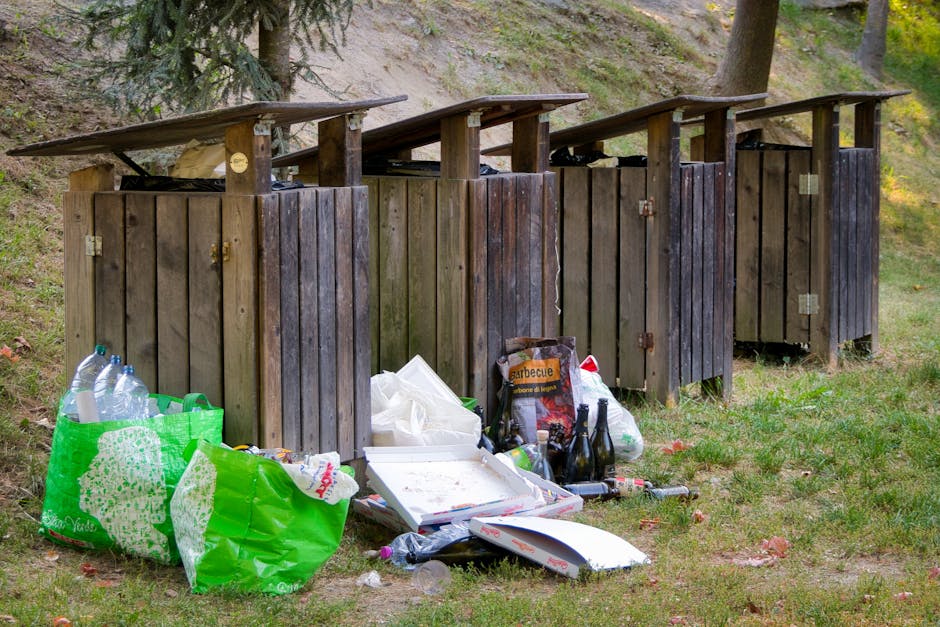
Greenwich Park is a place where small mistakes become visible quickly. A bin bag left beside a path, a pile of garden waste tipped in the wrong spot, or a broken chair abandoned after a picnic can all create clutter that spoils the experience for everyone else. It also creates extra work for park teams and visitors, which is exactly what no one wants.
There is a second reason this matters: public spaces in London are used differently from private property. A park is not somewhere to improvise disposal because you are in a hurry. Even light waste can become a problem if it is left where it blocks access, attracts wildlife, or blows into planting beds. And if you are bringing waste in from elsewhere, whether from a flat, a house, a garden, or a small business, the boundaries are even clearer. The wrong item in the wrong place can become fly-tipping very quickly.
In practical terms, the main question is simple: how do you remove rubbish without creating a mess, a complaint, or an avoidable delay? That is where a few local habits help. Timing matters. Sorting matters. So does knowing what belongs in a park environment and what should be taken away by a proper rubbish removal or waste collection service instead of being left to chance.
Expert summary: Around Greenwich Park, the safest approach is to treat the space as protected and high-traffic: keep waste contained, remove it promptly, and choose the right disposal route before you arrive. A little preparation goes a long way.
How Greenwich Park rubbish removal rules and local tips Works
At a local level, rubbish removal near Greenwich Park usually falls into three situations: waste generated during a visit, waste from nearby homes or businesses, and waste created by garden, maintenance, or clearance work. Each one needs a slightly different approach.
If it is simple visitor waste, the rule is straightforward: take it home or place it in the correct litter bin if one is available and intended for that use. Picnic packaging, takeaway cups, wipes, and food scraps should not be left by benches, on grass, or near hedges. That sounds obvious, but on a warm afternoon it is amazing how quickly "just for a minute" turns into litter.
If you are clearing out a property near Greenwich, the job is broader. Sofas, old shelving, broken electronics, bags of mixed rubbish, and leftover household items should be sorted and taken away through a proper clearance route. Services such as home clearance, house clearance, and flat clearance are designed for exactly that sort of mixed load, especially when access is awkward and time is tight.
If the waste is from outdoor work, you need to be even more careful. Grass cuttings, branches, hedge trimmings, and bagged soil can look harmless, but they still need to be removed and processed correctly. A dedicated garden clearance or waste disposal option is usually far better than trying to shift everything in one overloaded car boot.
The local tip part is about timing and access. Greenwich can be busy at weekends, on school-run hours, and during event periods. That means you should avoid arriving with a full van just when footfall is high. Early slots are calmer. So are midweek collections. Truth be told, if you can dodge the late-morning rush, you usually save yourself a headache.
Key Benefits and Practical Advantages
Following the rules and using sensible local tips is not just about being tidy. There are real advantages.
- Less chance of complaints: Waste left in the wrong place near a park edge, pavement, or access path can prompt complaints very quickly.
- Cleaner handover after work: If you are clearing a property or garden, a neat finish matters nearly as much as the job itself.
- Lower risk of damage: Carrying bulky items through busy paths or narrow entrances increases the chance of bumps, scrapes, and awkward apologies.
- Better time control: Planned removal is quicker than repeated back-and-forth trips with half-filled bags and a growing sense of regret.
- More suitable disposal: Different materials often need different handling, especially mixed household waste, furniture, and green waste.
One of the less obvious benefits is peace of mind. When rubbish is removed properly, you do not have that lingering "did we leave something behind?" feeling. That matters more than people think. A clean, finished space is easier to enjoy, easier to photograph, and easier to hand back to a landlord, client, or family member.
If you are dealing with larger or mixed items, services like rubbish clearance, waste removal, and waste clearance are often a more practical fit than general collections alone, because they are built for awkward loads rather than just one type of bin waste.
Who This Is For and When It Makes Sense
This topic is relevant to more people than you might expect. It is not just for park staff or event organisers.
- Homeowners and tenants doing a clear-out before or after moving near Greenwich.
- Families bringing picnic waste, toys, or event leftovers into the park area.
- Gardeners and landscapers handling trimmings, branches, and old outdoor materials.
- Landlords and letting agents arranging post-tenancy clearance.
- Small businesses needing to remove packaging, stock waste, or office clutter from the area.
- People refurbishing a property and needing to move bulky, dusty, awkward stuff without leaving a mess behind.
This is also useful if you are deciding between a one-off man-and-van style collection and something more structured. For example, a household in Greenwich with a sofa, a couple of broken units, and several bags of mixed rubbish will usually need a different approach from a business clearing out archived paper and office furniture. That is where office clearance or business waste can make a lot more sense.
And if all you are moving is one worn-out sofa that has lived a long, slightly uncomfortable life, a focused sofa removal service is often the least faffy route. No judgment. Sofas are rarely light, and never seem to fit through a doorway when you need them to.
Step-by-Step Guidance
If you want to handle rubbish around Greenwich Park without drama, follow a simple sequence. The aim is to keep the job tidy, legal, and efficient.
- Identify the waste type. Separate general rubbish, green waste, bulky items, and anything hazardous or specialist. You do not want paint tins mixed in with hedge cuttings.
- Check where it came from. Visitor litter, domestic waste, garden waste, and business waste should be dealt with differently.
- Keep everything contained. Use sacks, boxes, or covered containers so waste does not spill on paths or blow around.
- Plan the collection route. Think about parking, access, lift availability, stairways, and the distance from the property to the vehicle.
- Remove bulky items first. Clear the awkward pieces before dealing with loose rubbish. It saves space and reduces handling damage.
- Load safely and sensibly. Heavy items should be secured. Light rubbish should be bagged and tied. No one likes a van full of loose packaging skittering about.
- Leave the area clean. Sweep up, check corners, and make sure no screws, shards, or scraps remain behind.
For garden jobs, a decent workflow is: cut, gather, bag, load, then final sweep. For house or flat clearances, it is more like: sort, separate, remove, then check again. Slightly different rhythm, same principle. Do the messy bit once, properly.
Expert Tips for Better Results
The difference between an easy clearance and a stressful one is usually small. Here are the details that matter.
- Work early if you can. Greenwich Park and nearby streets can get busy fast. Early collection windows are quieter and usually easier for parking.
- Use smaller bags than you think you need. Overfilled bags split. Then you are re-bagging on the pavement, which is never a nice look.
- Keep wet waste separate. Damp garden waste or food waste can make everything else messy and heavier than expected.
- Protect floors and thresholds. If you are moving items from a property to a van, a bit of cardboard or sheeting can prevent scuffs.
- Measure bulky items before moving day. Doors, stair turns, and lift sizes catch people out all the time.
- Choose the right service type. A one-size-fits-all approach sounds convenient, but mixed rubbish, office equipment, and furniture often need different handling.
Here is a useful little habit: keep one "final sweep" bag or box. Anything odd you discover at the end goes there - screws, batteries, old hooks, stray cables, that sort of thing. It sounds minor, but it stops small bits from becoming future mess.
If your clearance includes furniture and household items, consider whether furniture disposal or a broader waste collection service is the cleaner fit. For bigger move-outs, some people also pair this with a rubbish collection option so the loose waste and the bulky pieces are handled in one go.
Common Mistakes to Avoid
A lot of problems around park-adjacent rubbish removal are completely avoidable. The same few mistakes crop up again and again.
- Leaving bags "just for now." If a bag is outside your control for even a short while, wind, animals, or foot traffic can make a mess of it.
- Mixing everything together. It is much harder to deal with waste if green waste, rubble, cardboard, and household rubbish are all blended into one pile.
- Assuming public space equals disposal space. It does not. Park land is not a temporary skip.
- Ignoring access issues. A van that cannot stop safely, or a route with too many steps and no plan, slows everything down.
- Forgetting about heavy or awkward items. One chipped wardrobe can derail the whole job if you have not planned for it.
- Trying to save money by under-planning. Usually the "cheap" option becomes the expensive one after extra trips, delays, or damage.
Let's face it, nobody enjoys overcomplicating rubbish removal. But a ten-minute plan before you start is nearly always better than an hour of improvisation later.
Tools, Resources and Recommendations
You do not need a truckload of gear to manage rubbish well. A few practical tools and habits will cover most situations.
- Heavy-duty sacks and boxes: Better for mixed waste and easier to carry safely.
- Gloves and sturdy footwear: Basic, but worth it. Broken glass and hidden nails are not rare.
- Labels or markers: Handy if you are sorting waste into separate piles before collection.
- Tarpaulin or old sheet: Useful for protecting car boots, hallways, and floors.
- Measuring tape: Especially useful for furniture, office items, and anything that needs to pass through a tight space.
As for service types, think in terms of the actual load. A domestic clear-out might be handled through rubbish removal or rubbish clearance. A property refresh may be better served by home clearance or house clearance. If you are clearing outdoor clutter, a garage clearance can also be the right fit when stored waste has built up over time.
For people in or around Greenwich, it can also help to look at the wider local service area, especially if you are coordinating a job across the south-east side of London. The broader South East London page can be a useful starting point if you want to understand how services are covered across nearby neighbourhoods.
Law, Compliance, Standards, or Best Practice
This part needs a careful tone, because waste rules can vary by location, property type, and waste stream. The general best practice in the UK is straightforward: do not leave waste where it creates a hazard, nuisance, or obstruction; make sure waste is transferred to an authorised, appropriate route; and keep evidence of responsible disposal where that matters for your business or tenancy records.
For parks and public spaces, the safest working assumption is that littering, dumping, or leaving material unattended is not acceptable. If you are organising an event, setting up a stall, managing maintenance, or doing clearance near Greenwich Park, build the waste plan before the job starts. That means knowing where rubbish will be held, how it will be collected, and who is responsible at the end of the day.
For businesses, there is an extra layer of care. Mixed commercial waste, office furniture, packaging, and confidential material should be handled with clear internal procedures. A service such as business waste or office clearance helps reduce the risk of mistakes, especially when staff turnover or temporary works make coordination messy.
Best practice is often less about complexity and more about consistency: keep waste secure, separate where needed, and remove it promptly. That sounds basic because it is. Basic is good.
Options, Methods, or Comparison Table
Choosing the right disposal route around Greenwich Park depends on volume, type, speed, and access. This table gives a practical comparison.
| Method | Best for | Pros | Watch-outs |
|---|---|---|---|
| Self-haul | Small, light loads | Simple if you already have transport | Multiple trips, loading strain, parking hassle |
| Regular bin use | Everyday litter and domestic bag waste | No special arrangement needed | Not suitable for bulky or excess waste |
| Specialist rubbish removal | Mixed household waste, bulky items, awkward loads | Fast and practical | Needs the right service match |
| Garden clearance | Branches, cuttings, old outdoor materials | Efficient for green waste | Wet waste can be heavy; separate materials first |
| Furniture or sofa removal | Single bulky items or room refreshes | Less stress than dismantling everything yourself | Measure access and check item condition first |
For many readers, the decision comes down to one thing: do you want to spend your Saturday making three awkward journeys, or do you want the thing gone properly? Not a hard question, really.
Case Study or Real-World Example
Imagine a small terrace close to Greenwich Park after a long-overdue tidy-up. The owners have a broken armchair, three bags of mixed rubbish, old shelving from a hallway, and a patch of overgrown garden waste at the back. They also realise, halfway through, that the hallway is narrower than they remembered. Classic.
What works best here is not a single giant shove at the problem. First, the garden waste is bagged separately so it does not sit damp and smelly in the middle of the room. Next, the shelving is taken apart where possible, because dismantled pieces move much more easily. The armchair is treated as a bulky item, not just "another bit of rubbish." Finally, a final sweep catches screws, dust, and tiny fragments that would otherwise be left underfoot.
That kind of approach saves time and reduces stress. It also means the property and the surrounding area are left tidy rather than merely "less messy." Big difference. If the same job were in a flat, the plan would be slightly different again, and a flat clearance route would make the logistics far smoother.
Practical Checklist
Use this before you move anything near Greenwich Park.
- Have you identified the type of waste?
- Have you separated general rubbish, garden waste, furniture, and anything specialist?
- Are all bags tied, secure, and not overfilled?
- Do you know where the waste is going before you start?
- Have you checked access, parking, and lifting routes?
- Are gloves, footwear, and basic cleaning materials ready?
- Have you measured bulky items and doorways?
- Have you allowed time for a final sweep?
- Have you chosen the right service for the job, whether that is waste removal, garden clearance, or a more general clearance option?
- Have you kept the area clear so nothing is left behind by mistake?
If you can tick those off, you are already ahead of most rushed clear-outs.
Conclusion
Greenwich Park rubbish removal rules and local tips are really about one thing: respect the space, plan the load, and remove waste in a way that keeps the area clean and usable for everyone else. Once you separate the waste, pick the right method, and avoid last-minute improvisation, the whole job becomes much easier than it first looks.
Whether you are clearing a flat, handling garden waste, moving a sofa, or sorting mixed rubbish after a busy weekend, the same idea applies. Be tidy. Be realistic. Leave less behind than you found. That is the kind of local habit that quietly makes a place better.
Get a free quote today and see how much you can save.
And if you are still deciding what level of help you actually need, that is fine too. A calm plan beats a hurried one, every time.
Frequently Asked Questions
Can I leave rubbish in Greenwich Park if the bins are full?
No, it is better to take it home with you. If bins are full, leaving waste nearby usually creates a litter problem and can quickly spread.
What kind of waste is most likely to cause issues near the park?
Bulky items, mixed rubbish bags, food waste, glass, and garden cuttings are the usual troublemakers. They are awkward to handle and can look messy fast.
Do I need a special service for garden waste near Greenwich?
If it is just a small amount, you may be able to bag it safely and remove it yourself. For larger or mixed loads, a dedicated garden clearance is usually more practical.
Is it okay to put furniture next to a park or pavement for collection?
Not unless a proper collection arrangement has been made and the item is placed legally and safely. Otherwise, it can be treated as abandoned waste.
What is the best time to arrange rubbish removal in Greenwich?
Earlier in the day and midweek are usually easier for access and parking. Busy weekend periods can make collections slower and more stressful.
How do I handle rubbish from a flat near Greenwich Park?
Use a service that suits the access conditions, load size, and type of items. A flat clearance approach is often the easiest option for mixed household waste.
Can business waste be mixed with household rubbish?
It is best not to mix them. Commercial waste often needs different handling, and keeping it separate reduces confusion and compliance risk.
What should I do with a single old sofa?
A focused sofa removal service is usually the simplest option, especially if the item is heavy, awkward, or needs to be moved through tight access.
How can I avoid making a mess while moving rubbish?
Use sturdy bags, keep items contained, avoid overfilling, and do a final sweep at the end. Small steps, but they matter a lot.
What is the difference between rubbish removal and waste disposal?
Rubbish removal is usually the physical collection and uplift of the items. Waste disposal is the onward handling and processing of what has been collected.
Are there any special concerns for events near Greenwich Park?
Yes. Events create fast-moving waste, and the clean-up plan should be clear before the event starts. Litter, packaging, and food waste can build up quickly if left unmanaged.
Where should I start if I need help with a bigger clearance job?
Start by identifying the main waste type and the scale of the job. Then choose the most suitable service, such as rubbish clearance, house clearance, or business waste support, depending on what you are dealing with.